Upgrade Your Home With Professional Structural Design Assistance
Transforming a home through professional architecture services involves more than just aesthetics. It requires a deep understanding of operational design and local building codes. Engaging with an experienced architect can handle frequent problems while enhancing property value. The process is structured and detailed, confirming that every detail aligns with the homeowner's aspirations. Yet, many homeowners struggle to navigate this process efficiently. What steps can they take to guarantee a successful alliance?
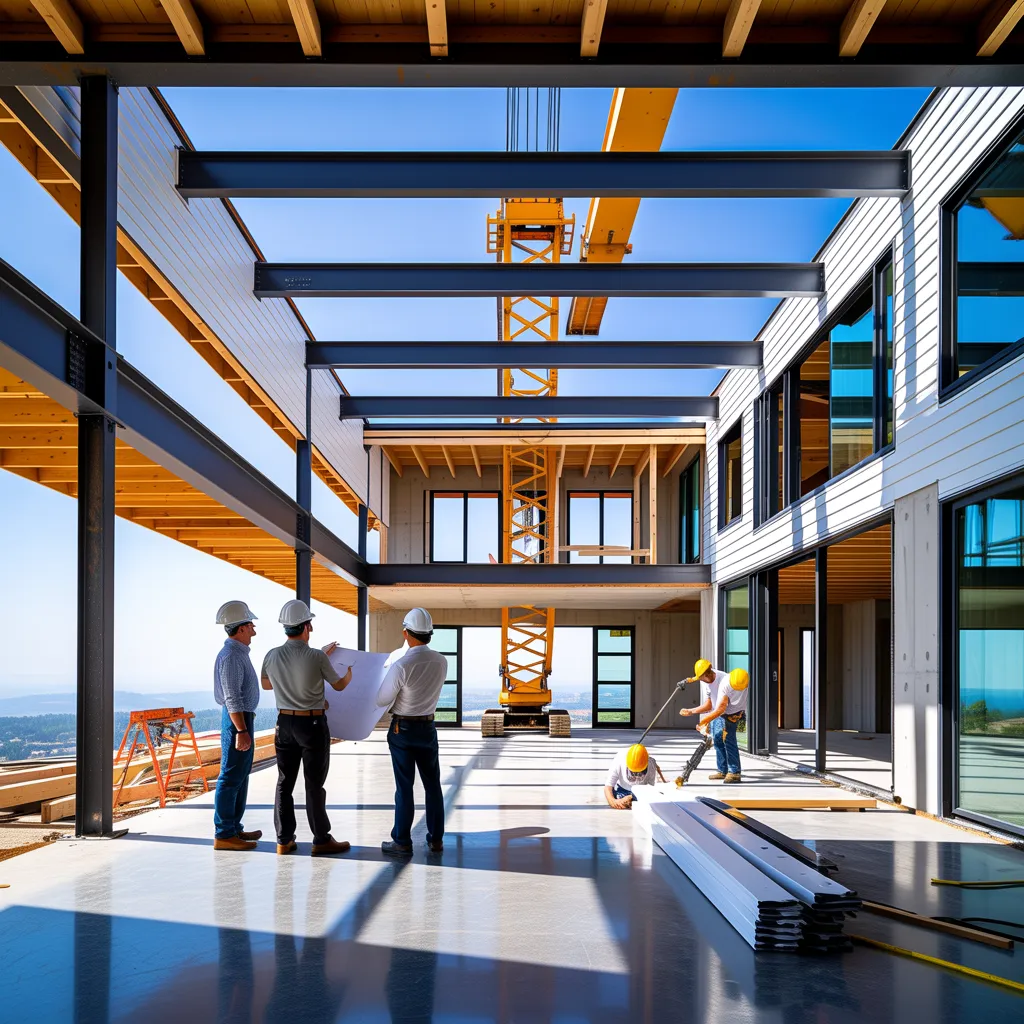
Standard Home Design Complications and Solutions Architects Address Them
What renders home design so challenging for countless homeowners? The complexity of combining personal design preferences with functional requirements often overwhelms them. Homeowners commonly struggle with room constraints, budget challenges, and regulatory standards, complicating more difficult. Additionally, many lack the required expertise needed to manage building considerations and building codes.
Architects execute an essential role in relieving these challenges. Their instruction equips them to navigate the complexities of design, confirming that a homeowner's vision matches with realistic realities. Architects can present creative solutions to optimize space while adhering to security standards. They also contribute in producing integrated designs that reflect the homeowner's manner. By offering understanding into materials and building techniques, architects help streamline the selection process. In conclusion, their expertise converts a potentially intimidating project into a cooperative journey, fostering a well-balanced balance between imagination and usefulness in home design.
Reasons to Work With a Professional Architect
Engaging a trained specialist strengthens the home design experience by joining expert knowledge with the client's aspirations. Architects bring a wealth of experience in architectural standards, construction codes, and sustainability practices, guaranteeing that the initiative not only achieves visual objectives but also follows legal requirements. Their ability to visualize and communicate intricate thoughts supports translating theoretical notions into tangible designs.
Additionally, architects can deliver innovative approaches to spatial issues, enhancing functionality and layout. They also manage the complexities of the construction phase, coordinating with contractors and suppliers to guarantee schedules and finances are maintained. This expert management minimizes potential errors and alleviates the tension related to home remodeling or building. In the end, partnering with an architect creates a unified, well-designed space that captures the homeowner's character while increasing overall property worth.
What Represent the Important Steps in the Building Design Workflow?
How does the architectural process develop from concept to completion? The process starts with an first meeting, where the designer and customer discuss goals, requirements, and budget. This stage is essential for establishing a distinct direction. Next, the designer conducts site analysis, assessing factors like topography, climate, and building codes.
Following this, the planning stage begins. Here, sketches and digital models are developed, allowing the client to see the project. Once the design is completed, the architect creates detailed construction documents, including specifications and drawings.
Upon obtaining necessary permits, the project enters the construction phase. The architect regularly collaborates with contractors to ensure that the plan is implemented correctly. Frequent site visits and assessments help preserve standards and adherence to the initial vision. Finally, the project concludes in a inspection, verifying that the completed structure satisfies the client's expectations before the official transfer.
What's the Most Effective Way to Select the Perfect Architect for Your Home?
Selecting the right designer for a home necessitates careful consideration and inquiry. Prospective homeowners should start by establishing their distinct needs and financial plan, which will guide their exploration. Recommendations from friends, family, or real estate specialists can offer beneficial leads. Online galleries and feedback help with examining an designer's prior work and client contentment.
Next, prospective clients should interview multiple prospects to gauge their communication style, background, and design methodology. It's crucial to cover project timelines and client expectations to ensure alignment. Additionally, confirming qualifications and reviewing proper licensing and credentials can prevent potential issues down the line.
Ultimately, property owners should follow their intuition. The best architect should not only demonstrate the essential skills but also complement the homeowner's vision and values. This partnership creates a productive atmosphere, ultimately generating a successful partnership in constructing a dream home.
How to Express Your Vision Successfully
Communicating a objective for interior design proficiently is indispensable for a productive partnership between property owners and design consultants. To realize this, homeowners should begin by explicitly specifying their requirements and preferences. Producing a mood board with images, colors, and textures can help conveying aesthetic goals. Additionally, specifying practical requirements, such as room size and spatial arrangement, guarantees that the specialist appreciates operational aspects.
Home owners should also take part in candid conversations, encouraging questions and feedback to refine their concept. Regular check-ins throughout the design process foster teamwork and openness. Employing clear expression to convey thoughts and worries can avert misunderstandings and help align expectations.
In conclusion, embracing the architect's skills facilitates a more dynamic exchange of ideas. By uniting personal vision with professional insight, homeowners can build context information a collaborative connection that produces a beautifully designed space embodying their aspirations.
How to Budget for Architectural design Solutions
As you start a home design project, determining a budget for architecture services is necessary to prevent financial strain later. Homeowners should begin by researching typical fees in their area, which can vary based on the project's complexity and the architect's experience. It is sensible to allocate a percentage of the overall project cost specifically for architectural services, typically ranging from 5% to 15%.
Next, customers should consider the range of offerings needed—whether they need comprehensive design and project management services or just preliminary discussions. Engaging in open discussions with potential architects about their fee structures can offer insight on costs.
Additionally, property owners should consider potential revisions and unexpected expenses, creating a financial cushion in their budget. By explicitly establishing their budget limits upfront, clients can guarantee they choose an design professional who matches their vision while staying inside their financial boundaries.
Often Requested Queries
What Design Designs Could I Choose for My Home?
Homeowners may pick from various architectural styles, encompassing modern, traditional, colonial, Mediterranean, and contemporary. Each style delivers distinctive aesthetics and performance, allowing individuals to express personal taste while accounting for regional influences and environmental factors.
How Long Does the Design Process Typically Require?
The architectural process typically requires multiple months, depending on project intricacy, design approvals, and local regulations. Factors such as client input and building timelines can also affect the schedule greatly during the entire process.
Can Architects Lend expertise To Sustainable Development Alternatives?
Architects can certainly help with eco-friendly design choices. They integrate eco-friendly materials, energy-efficient systems, and innovative layouts, ensuring projects minimize environmental impact while maximizing functionality and aesthetic appeal, aligning with clients' sustainability goals successfully.
What Requirements Should I Consider in an Architect?
When engaging an architect, one should look at their education, accreditation, involvement in related assignments, selection of projects highlighting their design sensibility, and grasp of local compliance standards. Ability to communicate effectively and feedback from previous clients also prove essential in the evaluation process.
How Do Design Professionals Handle Zoning and Permit Issues?
Architects resolve regulatory obstacles by conducting thorough research on regional requirements, assembling required paperwork, and liaising with municipal authorities. Their knowledge ensures adherence, expediting the approval process for client projects effectively.